Why Screen Printing Los Angeles Remains the Top Choice for Custom Apparel
@thecustomtsprintingscreenblog
October 28, 2026 · 8 min read
For decades, screen printing has been the backbone of the custom apparel industry. While newer methods like DTF transfers and direct-to-garment printing have gained ground, screen printing Los Angeles shops still handle the bulk of production for a simple reason: it works. The process is fast, the colors are bold, and the cost per unit drops significantly once you move past small quantities. I have seen this firsthand working with local brands and event organizers who need hundreds of shirts that look consistent and last through repeated washes.
Los Angeles is a city built on creativity and manufacturing. From the fashion districts downtown to the print shops scattered across the San Fernando Valley, the infrastructure for garment decoration is deep. That is why businesses and individuals keep turning to screen printing Los Angeles providers when they need reliable, high-volume output. But not all print shops are the same. Understanding the nuances of the process, the materials, and the design requirements will save you time, money, and frustration.
What Makes Screen Printing Different From Other Methods
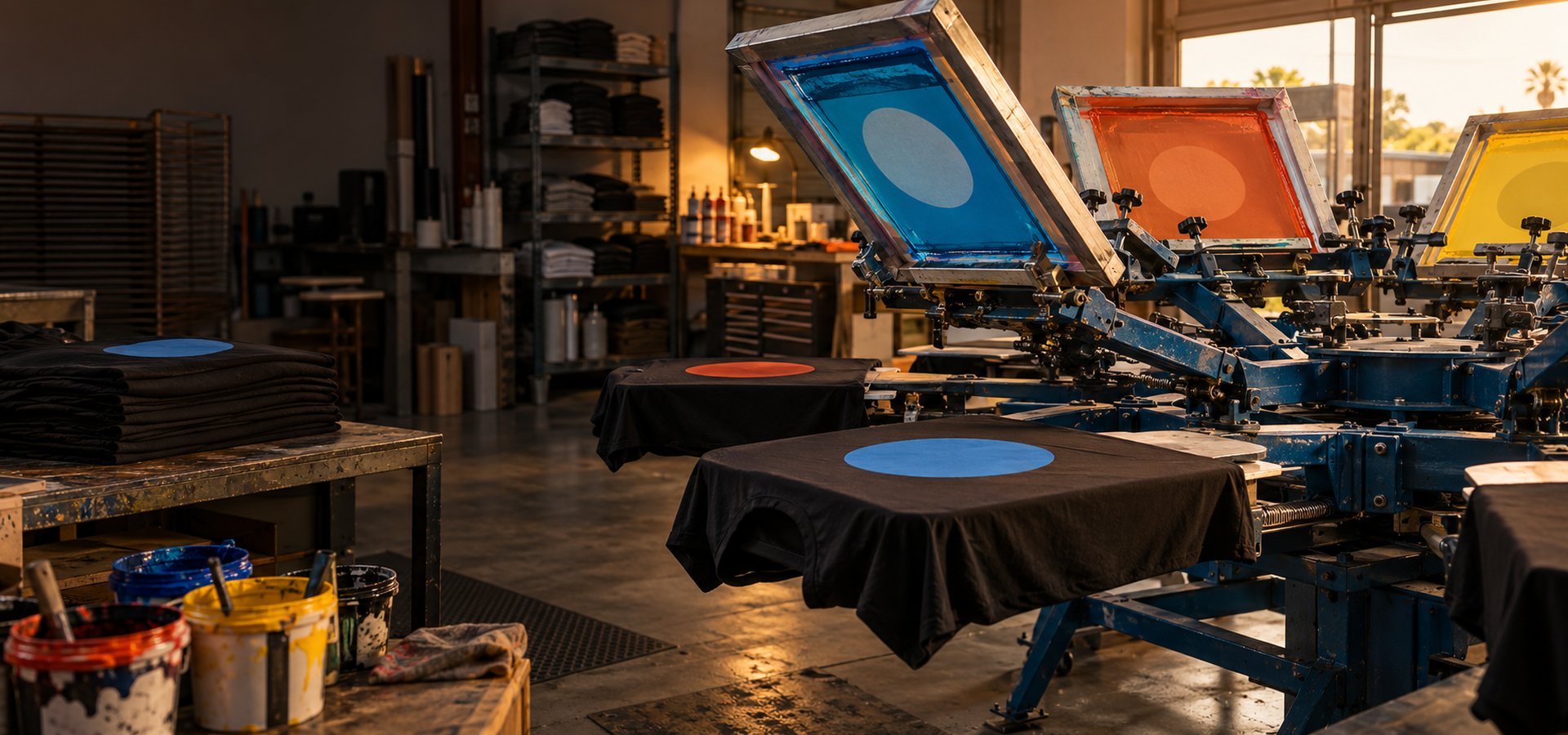
Screen printing uses a mesh stencil, called a screen, to push ink through onto the fabric. Each color in your design requires a separate screen. This setup cost is what makes screen printing less economical for single shirts but very efficient for runs of a dozen or more. In contrast, DTF transfers apply a printed film that is heat pressed onto the garment. DTF offers more flexibility for complex, multi-colored designs with no setup fees, but the feel of the print can be heavier and less breathable.
For jobs where you need vibrant colors on dark fabrics or want the ink to become part of the fabric rather than sit on top, screen printing is hard to beat. The ink bonds with the fibers during the curing process. This creates a durable print that does not crack or peel easily. I have worn screen printed shirts from local bands that are still legible after five years of regular use. That kind of longevity matters if you are producing merchandise for a tour, a sports team, or a company giveaway.
Choosing the Right Shop for Your Project
When you search for screen printing Los Angeles, you will find dozens of options. Some are large operations that churn out thousands of shirts a day. Others are small, family-owned shops that offer more personalized service. The right choice depends on your project. If you need 500 shirts for a corporate event, a bigger shop might give you a lower per-shirt price. But if you have a small run of 24 shirts for a neighborhood block party or a startup launch, a smaller printer will often treat you better.
Look for a shop that offers free design help. Many people come in with a rough sketch or a logo that needs cleaning up before it can be printed. A good printer will tell you if your design needs more contrast or if certain thin lines will disappear during printing. They should also explain the difference between plastisol and water-based inks. Plastisol is the standard. It sits on top of the fabric and gives that classic screen printed feel. Water-based ink soaks into the fabric, leaving a softer hand, but it requires more care during application.
I once worked with a shop that insisted on using plastisol for a run of light-colored organic cotton tees. The result looked fine, but the shirts felt stiff. A better choice would have been water-based ink to match the soft texture of the fabric. That kind of judgment call comes from experience. A printer who asks about the fabric weight and the end use of the garment is probably going to deliver a better product.
The Role of In-House Production
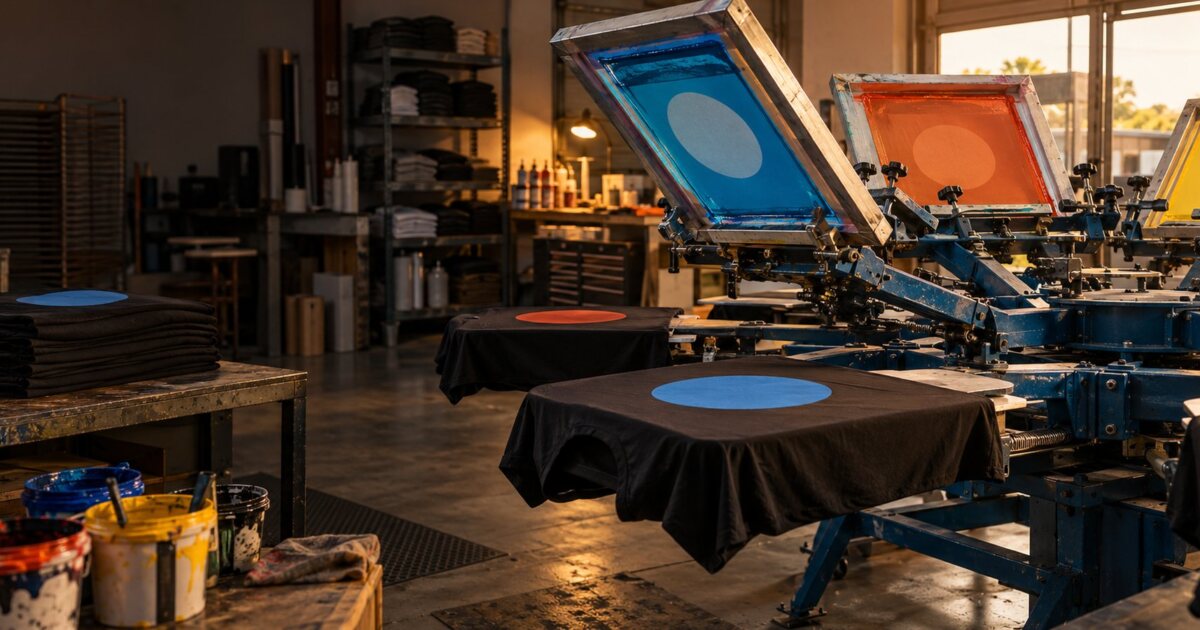
One advantage of working with a local print shop that does everything in-house is speed. When the screens, the press, and the curing conveyor are all under one roof, you can get a proof in hand within a day and finished shirts within a week. This is especially important for Los Angeles clients who often work on tight deadlines for events, film shoots, or pop-up shops. Outsourced printing can add days or weeks of shipping time, plus the risk of miscommunication about colors or sizing.
In-house production also means the printer controls every step. If a color is slightly off, they can adjust the screen angle or the ink viscosity on the spot. They are not waiting for a third party to fix a mistake. For the customer, this translates into fewer rejected shirts and a more consistent final product. When I visit a shop and see the presses running, I know the work is being handled by people who take pride in their craft.
For those looking for a reliable partner, customtsprinting screen printing Los Angeles offers exactly that kind of hands-on approach. They combine traditional screen printing techniques with modern equipment to handle runs of any size, from a dozen shirts to several hundred. Their free design help means you do not need to be a graphic designer to get a great result.
Understanding Ink Types and Fabric Choices
The ink you choose affects everything from the look of the print to how the shirt feels against the skin. Here are the most common options you will encounter when ordering screen printing in Los Angeles:
- Plastisol: The industry standard. Durable, opaque, and works on most fabrics. Best for dark garments because the ink sits on top and does not bleed into the fabric.
- Water-based: Softer feel, better for light-colored shirts. The ink absorbs into the fabric, leaving no raised texture. Fades slightly over time for a vintage look.
- Discharge: A type of water-based ink that removes the dye from the fabric and replaces it with the ink color. Works only on 100% cotton. Produces a very soft, breathable print.
- High-density: Thick, raised ink that adds texture. Often used for special effects or sportswear. Takes longer to cure and costs more.
Fabric choice matters just as much. A 50/50 cotton-polyester blend is a safe bet for most screen printing projects. It holds the ink well and resists shrinking. 100% cotton feels softer but can shrink more in the wash. Performance fabrics like those used for athletic wear require special inks and lower cure temperatures. Always ask your printer what they recommend for your specific garment.
Design Tips for Better Screen Prints
Not every design translates well to screen printing. The process favors bold, simple artwork with clear separations between colors. Gradients are possible but require halftone screens, which increase setup time and cost. If your logo has tiny text or very thin lines, those details may fill in or disappear during printing. A good rule of thumb is to keep line weights above 1 point for text and avoid fonts that are too delicate.
Color count is another factor. Every extra color adds a screen and a pass through the press. That increases the cost and the production time. If you can limit your design to two or three colors, you will get a better price and faster turnaround. If you need a full-color photo or a complex illustration, DTF transfers might be a better fit. But for most logos, text, and simple graphics, screen printing delivers the sharpest result.
Custom Shirt Printing has handled thousands of designs over the years, and they can guide you through the pre-production process to make sure your artwork is ready for the screen. They will adjust contrast, clean up edges, and suggest color substitutions that print cleanly. That kind of support saves you from costly reprints and disappointment.
Cost Considerations and Minimum Orders
Screen printing has a higher upfront cost than other methods because of the screen setup fees. But once those screens are made, the per-shirt price drops sharply. For a single shirt, you might pay $25 or more. For 50 shirts, the price could drop to $10 each. For 200 shirts, you might pay $6 or less. The break-even point depends on the number of colors in your design, but generally, screen printing becomes cost-effective at around 12 to 24 shirts.
If you need only a few shirts, consider a hybrid approach. Some shops, like those offering customtsprinting screen printing Los Angeles, can mix methods on the same order. They might screen print the main design and use DTF for small text or a back print. This keeps costs down while still giving you the quality of screen printing where it matters most.

Why Local Matters in a Global City
Los Angeles is a massive market for apparel. But working with a local printer means you can see samples in person, approve colors under natural light, and pick up your order the same day if needed. It also supports the local economy and reduces shipping emissions. For a city that cares about sustainability, that matters.
Custom Shirt Printing operates with a family-owned mindset even as they handle large orders. They treat each project as a collaboration, not just a transaction. That is rare in an industry where many shops treat customers as order numbers. When you choose a local printer, you get someone who understands the local culture and can make recommendations based on what works for this city's diverse communities.
In the end, screen printing remains the gold standard for custom apparel because it balances quality, durability, and cost. Whether you are printing shirts for a music festival, a corporate retreat, or a school fundraiser, the process has proven itself over decades. The key is finding a printer who knows how to execute it well. Custom Shirt Printing combines that experience with a genuine commitment to helping customers get the best result for their budget and timeline.
 Facebook
 Instagram